Introduction: The Commercial Imperative Beyond the Perfect Picture
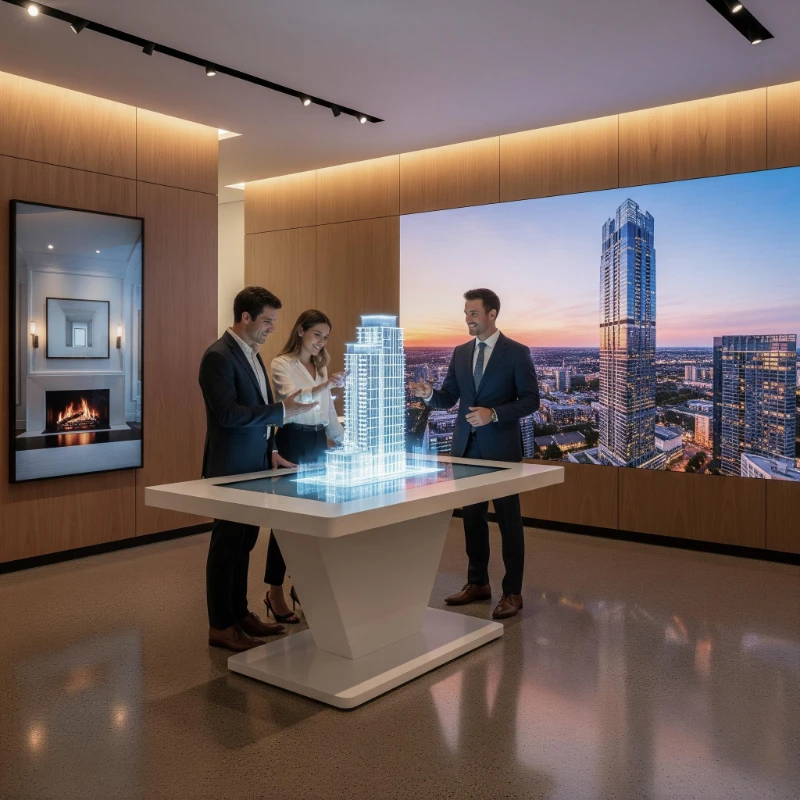
In the high-stakes world of luxury property marketing, a single, perfect image, the “hero shot” is no longer enough to win. For decades, this impeccably crafted rendering was the undisputed king of architectural marketing, the visual anchor for entire campaigns. Today, relying on it is a critical commercial error. The modern buyer’s journey has been shattered and reassembled by digital technology, transforming it from a linear path into a dynamic, fragmented experience spread across a dozen different touchpoints.
The central argument of this report is that the evolution from commissioning single, static images to investing in a dynamic, multi-channel “visual ecosystem” is a critical commercial imperative. Relying on a one-size-fits-all tool in a world that demands bespoke, context-aware content is no longer just outdated, it is a significant competitive disadvantage. This shift is not a trend originating within the architectural visualisation (ArchViz) industry; it is a symptom of a much larger, external force. The way prospective buyers and investors discover, engage with, and make decisions about property has fundamentally changed.
This transformation mirrors trends across all luxury sectors. The luxury automotive customer, for instance, engages in over 900 digital interactions before making a purchase, while 73% of all consumers now use multiple channels to shop.² A single, static image is woefully inadequate to service this complex journey; it cannot be personalised, it is not immersive, and it performs poorly on the video-first social media platforms where discovery now happens. Therefore, the “end of the hero shot” is a reactive necessity driven by external market pressures, demanding a more sophisticated, multi-asset approach to not only survive but thrive.
Deconstructing the Modern Property Buyer’s Journey
The path to purchasing a luxury property is no longer a straight line from a magazine ad to a sales gallery. It is a complex web of interactions occurring across a multitude of digital and physical channels. A potential buyer might first encounter a project in a 15-second video clip while scrolling through their Instagram feed, see it again in a detailed case study on LinkedIn, explore it via an interactive virtual tour linked in an email newsletter, and finally, dive deep on the project’s website. This fragmented journey is now the norm, with 95% of marketers acknowledging the importance of multichannel strategies for effective targeting.⁴ Data shows that brands engaging customers across ten or more channels see significantly higher patronage than those using fewer than five.⁵
This new journey is defined by a new set of expectations, largely shaped by experiences in other luxury sectors. Today’s high-net-worth (HNW) client expects hyper-personalisation.⁶ This goes beyond simply using their name in an email; it involves data-driven client profiling to understand their unique preferences and delivering bespoke communications. For example, a real estate professional might highlight a property’s yacht dock to a known boating enthusiast or curate a private virtual tour that focuses on features aligning with the client’s expressed interests.⁶ This level of personalisation transforms a generic transaction into a relationship-driven experience, which is critical for driving future business and referrals.⁶
Furthermore, there is a growing demand for experience over product, especially among Millennial and Gen Z buyers, who are an expanding segment of the luxury market.⁷ These consumers prioritise what a brand makes them feel and the lifestyle it represents. Consequently, property marketing must shift its focus from selling square footage to selling a narrative, a story of community, aspiration, and experience.⁹ This is a lesson learned from brands like Bugatti and Ferrari, which sell not just cars but a story of craftsmanship, heritage, and an elevated lifestyle, built through a sophisticated mix of visual assets like brand films and behind-the-scenes content.¹⁰
A Note on the US Market: Sophistication and Speed
Nowhere are these trends more apparent than in the highly competitive US real estate market. American developers and buyers are among the most sophisticated consumers of digital marketing content in the world. They expect and demand a higher level of technological integration. For high-end projects in markets like Florida, Texas, or New York, a simple set of static images is no longer sufficient to compete. The demand is for a complete ecosystem of assets, with a particular emphasis on cinematic architectural animation and fully interactive, real-time experiences that allow potential buyers to explore and customise their future homes virtually. Success in the US market requires a visual strategy that communicates not just luxury, but also technological leadership and a deep understanding of the modern, digitally-native buyer.
The Asset-to-Journey Mapping Imperative
A successful visual ecosystem is not a random collection of assets. It is a deliberately engineered system where each asset type is designed to intercept the buyer at a specific stage of their fragmented journey and serve a precise psychological function. The journey can be broadly categorised into stages: Awareness, Interest/Desire, and Consideration/Action. A strategic ArchViz partner must first understand this journey and then map the right asset to the right touchpoint. A short, punchy social media video is for the Awareness stage, designed to capture attention in a crowded feed. The cinematic film serves the Interest and Desire stages, creating an emotional connection and setting the project’s grand vision. Finally, an interactive 360° tour serves the Consideration and Action stages, building confidence and fostering a sense of ownership that pushes a prospect toward commitment. This strategic mapping elevates the client-studio conversation from “what assets do you want?” to “what journey are we building, and which assets will power it?”
To validate this model, one need only look at the playbooks of other successful luxury industries. The strategies are remarkably consistent, proving that the visual ecosystem is a universal principle of modern high-end marketing.
| Visual Asset Type | Strategic Purpose | Luxury Real Estate Example | Luxury Automotive Analogue | Superyacht Brokerage Analogue |
| Cinematic Film | Emotional Connection, Lifestyle Narrative, Vision Setting | Project Anchor Film establishing the emotional core and selling a lifestyle.¹ | Brand Storytelling Films showcasing heritage, craftsmanship, and the driving experience.¹⁰ | Video that “brings the yacht’s unique story and onboard experience alive”.¹² |
| Interactive Configurator / Tour | Personalisation, Fostering Ownership, Building Confidence | Interactive 360° Tours and floor plan customisers that give the user control and a sense of presence.¹ | Immersive digital showrooms and “build-your-own-car” online configurators that allow for deep personalisation.¹⁰ | Immersive virtual walkthroughs of yacht interiors and decks.¹³ |
| High-Fidelity Still Images | Detail & Clarity, Quality Benchmark, Foundational Asset for Print/Web | The Master Still Image Library, providing the ultimate clarity and conveying professionalism.¹ | High-resolution gallery images for websites and brochures, showcasing design details.¹⁰ | Professional photography as the key asset for brochures, websites, and advertising.¹² |
| Short-Form Social Video | Discovery, Algorithmic Reach, Driving Top-of-Funnel Traffic | The Social Media Snippet Library, designed for shareability and capturing attention on platforms like Instagram and LinkedIn.¹ | Engaging video content for Instagram Reels and TikTok to reach younger demographics and showcase lifestyle.¹⁰ | Social media campaigns using short videos to showcase the yachting experience and drive inquiries.¹⁶ |
This cross-industry playbook demonstrates that a multi-asset visual strategy is not a niche ArchViz trend but a fundamental requirement for competing in the modern luxury marketplace. It provides a proven framework, de-risking the investment for property developers and positioning the adoption of a visual ecosystem as a sophisticated, market-aware business decision.
The Evolving Client-Studio Partnership: From Vendor to Visual Strategist
The complexity of the modern marketing ecosystem, combined with the enabling power of new technology, has rendered the old, transactional client-vendor relationship obsolete. Success in this new environment demands a deeply integrated, strategic partnership. The need is for a “strategic partner, not just a rendering vendor,” one that thinks like a “marketer and an experienced designer from day one.”¹
New technologies like real-time rendering inherently foster a more collaborative workflow. They enable iterative design sessions where the client, architect, and visualisation artist can work together in real time, making live adjustments to the design.¹⁸ This process transforms clients from passive observers into active participants, bridging the communication gap between the architect’s technical vision and the client’s comprehension.¹⁸ This collaborative dynamic, often facilitated by immersive tools like interactive screens, builds immense trust and ensures the final vision is perfectly aligned with client expectations, minimising revisions and building confidence in the final design.²⁰
Interestingly, while over 75% of architectural firms now produce some visualisations in-house, this trend does not negate the role of expert studios.²¹ Instead, it underscores that a foundational understanding of visualisation is now a core competency for architects. This raises the bar for external partners. A specialised studio can no longer compete on production capacity alone; it must offer a higher level of value. This includes sophisticated strategic guidance on multi-channel marketing, cutting-edge technological expertise that an in-house team may not possess, and a deep understanding of how to translate architectural concepts into commercially successful visual assets.
The Visual Asset Ecosystem: A Blueprint for Market Dominance
The five essential assets outlined below form a powerful, interconnected ecosystem designed to guide a prospect from initial awareness to final commitment. The synergy between these assets is what creates market dominance; the whole is far greater than the sum of its parts.
1. The Cornerstone: The Master Still Image Library This is the bedrock of the entire campaign. A collection of high-resolution, cinematic 3D renderings for real estate is not just for brochures and planning submissions; it is the visual grammar of the project. It is here that the core decisions about mood, lighting, materiality, and composition are made. These images serve as the benchmark for quality and the purest expression of the architectural vision, providing a level of clarity and detail that builds immediate trust and can stop a reader mid-scroll. This asset is the visual “source code” from which all other dynamic content is derived.

2. The Marquee Event: The Cinematic Anchor Film (60-90 seconds)
This is the new hero asset. A professionally produced, narrative-driven cinematic architectural animation is the most powerful tool for establishing the emotional core of a project. It is not a simple fly-through but a short film that tells a story, sells a lifestyle, and creates a level of desire that static images struggle to match. The data is unequivocal: real estate listings with video receive 403% more inquiries than those without, and 73% of homeowners are more likely to list with an agent who uses video marketing.²² This film is the primary tool for communicating the project’s grand vision on website homepages, in sales presentations, and on large-format screens in sales studios.
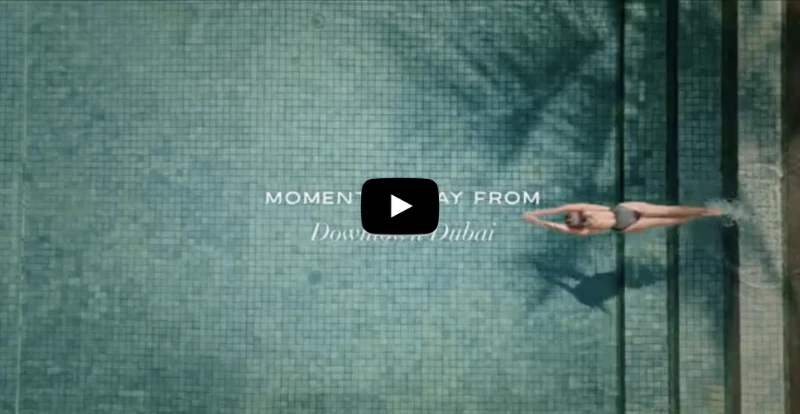
3. The Viral Currency: The Social Media Snippet Library (15-30 second clips) These short, punchy video clips, extracted from the main cinematic film, are the currency of modern social media. They are not afterthoughts but are planned from the outset, each optimised for platforms like Instagram Reels, LinkedIn, and TikTok. Their strategic value lies in their design for discoverability and shareability, capturing attention in crowded feeds and driving traffic back to primary web properties. With platforms like Instagram and LinkedIn heavily favouring video in their algorithms, these assets gain a significant organic reach advantage, making them a critical top-of-funnel audience acquisition tool.
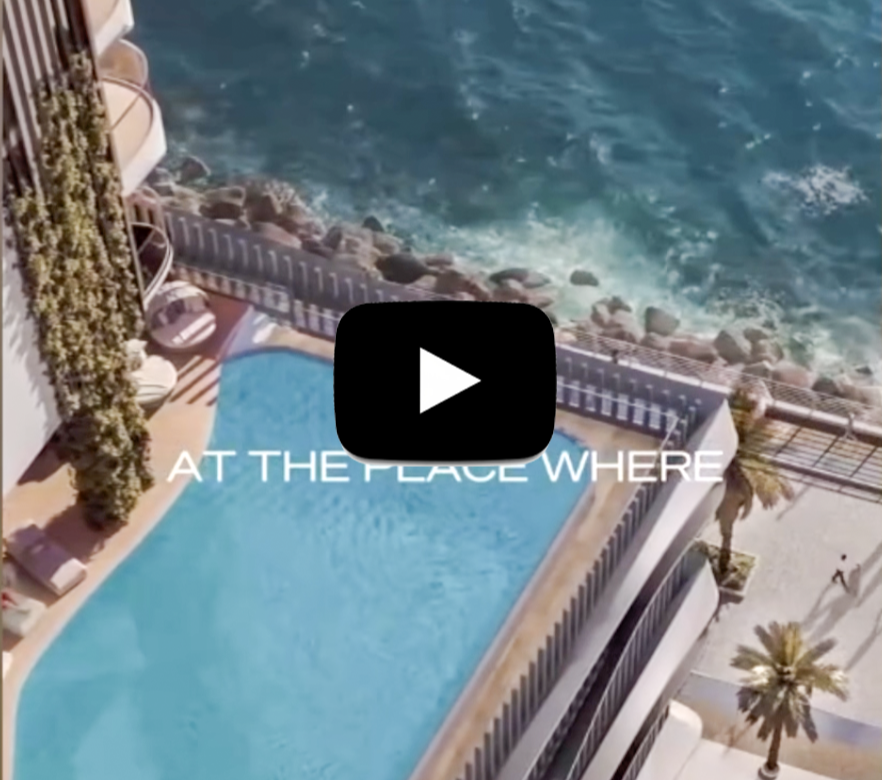
4. The Sophisticated Pause: Cinemagraphs
A cinemagraph is a digital showstopper, a high-quality still image with a subtle, seamlessly looping element of motion, like a flickering fireplace or gently rippling water. Their value lies in their ability to break the pattern of static content. This subtle motion is just enough to catch and hold the eye, dramatically increasing engagement time compared to a standard image. They are perfect for high-impact placements like website hero sections and premium digital ads, where they convey a sense of life, atmosphere, and luxury, making a space feel present and real.
5. The Tangible Commitment: Interactive Models, 360° Tours, and Immersive Experiences
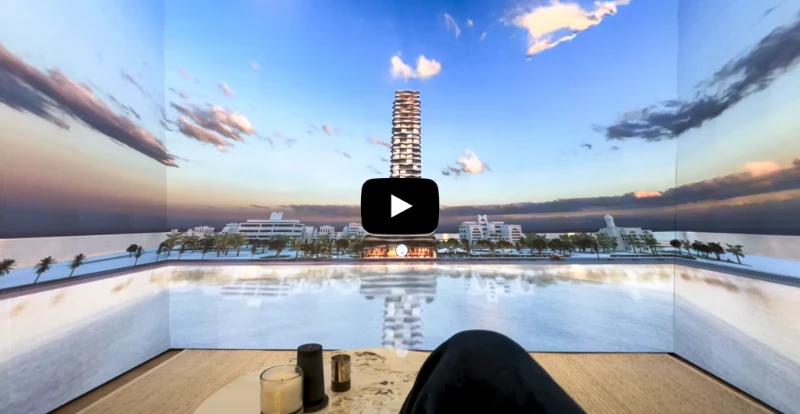
To move a prospect from interest to commitment, it is essential to build their confidence by giving them control. Interactive, screen-based models and 360° tours do precisely that. While VR headsets can be a novel technology, they have proven to be a less effective sales tool as clients often get lost in the “new world,” focusing more on the tech than the product, and can experience nausea.²⁷ A more effective approach is using large, immersive LED screens or dedicated viewing rooms where clients remain engaged and can interact with the product and with people around them.²⁸ These tools allow a user to explore different floor plans, customise finishes, and look around a space from key vantage points, absorbing the atmosphere without the disorientation that can come from a headset. These immersive experiences provide an unparalleled sense of scale and presence, answering the deep-seated question in a buyer’s mind: “What would it feel like to be here?”. This is a critical final-stage asset; research shows that 54% of people will not even consider a property without a virtual tour available.²⁹ By empowering the user, these tools foster a sense of ownership, making the project feel like a tangible reality they can interact with and commit to.
The Ecosystem’s Internal Flywheel Effect
The visual ecosystem is more than a collection of assets; it is a self-reinforcing system where each component amplifies the value of the others. The most significant advantage of this approach lies in its production efficiency. All of these dynamic assets are built upon the same meticulously crafted 3D scene that produces the perfect still image. The most resource-intensive part of the process, building the detailed, textured, and lit 3D environment is done only once. From this single “master scene,” the cinematic film is animated, social snippets are extracted, cinemagraphs are rendered, and 360° tour nodes are generated. This creates a “content flywheel.” Instead of commissioning five separate, disconnected projects, the client commissions one foundational project from which a cascade of high-impact, channel-specific assets can be derived at a significantly lower marginal cost. This insight is crucial as it reframes the visual library not as an additive expense, but as a more efficient, higher-leverage use of the visualisation budget, maximising the return on the initial creative investment.
The ROI of a Visual Ecosystem: Transforming a Cost Centre into a Revenue Engine
The business case for investing in a multi-asset visual ecosystem is not based on aesthetics but on measurable financial returns. This strategy transforms the visualisation budget from a marketing expense into a direct driver of revenue, sales velocity, and profitability. A clear real estate development ROI is the ultimate goal.
The data is compelling and consistent. Real estate listings that incorporate 3D content, such as virtual tours, see a 130% increase in online engagement and achieve 85% higher conversion rates.⁵³ Furthermore, these properties can command offers that are up to 20% higher than those marketed with static images alone.⁵³ The impact on sales velocity is equally dramatic, with development sales cycles shortening by as much as 60%.⁵³ The power of video is particularly noteworthy, with listings featuring video receiving 403% more inquiries. On a broader scale, multichannel marketing campaigns are proven to generate a 24% higher return on investment (ROI) than single-channel efforts.⁵⁶
Beyond revenue generation, the visual ecosystem delivers significant cost savings and efficiencies. By creating a detailed digital model of the project, potential design flaws or construction issues can be identified and resolved long before breaking ground, avoiding costly errors and rework during the construction phase.¹⁸ The use of real-time rendering allows for instant client feedback and design iterations, drastically reducing the man-hours and costs associated with revisions compared to traditional, time-consuming rendering methods.³¹ This efficiency extends to marketing operations as well; developers who leverage digital showcases and virtual sales centres can slash their physical event marketing costs by up to 40%.⁵³
High-quality visualisations are also a critical tool for securing capital and accelerating pre-sales. A clear, compelling visual presentation gives investors the confidence to commit funds.³² Immersive virtual tours and a smart off-plan sales strategy enable developers to pre-sell as much as 80% of their units before construction even begins¹⁹ and attract international investors who are willing to purchase properties without a physical site visit.
The Compounding Value of a Strategic Asset
A standard ROI calculation often focuses narrowly on the sales cycle of a single project.³³ However, this perspective misses the long-term, compounding value of a visual ecosystem. The assets created become a permanent part of the developer’s brand library, generating value across multiple business functions long after the last unit is sold. The Cinematic Anchor Film, for example, does not just sell one project; it sells the developer’s overarching brand, vision, and commitment to quality. It can live on the corporate website homepage for years, reinforcing brand equity. The Master Still Image Library populates the firm’s portfolio, a crucial tool used to win the next project and secure the next round of funding. Even social media snippets and behind-the-scenes content can be repurposed for employer branding campaigns to attract top architectural and design talent. The initial investment is thus amortised over a much longer period and across the entire enterprise. It is not merely a project marketing expense but a capital investment in the firm’s brand equity and future business development pipeline, a hidden, long-tail ROI that is often overlooked.
The Immersive Sales Studio and Live Events: Where the Digital and Physical Converge
The pinnacle of the buyer’s journey is the physical sales environment. Our long-standing partnership with Devmark has proven the power of combining a sophisticated sales studio with a compelling digital presentation. In these masterfully designed spaces from London luxury real estate showrooms to Dubai property marketing suites featuring interactive LED screens and detailed scale models, buyers feel both valued and confident.
It is here that our visual ecosystem comes to life on a grand scale, transforming from digital assets into powerful sales tools. The energy of a live launch event, combined with an immersive studio experience, creates a sense of exclusivity and urgency. This is where the digital vision and the physical experience converge to build trust, create desire, and ultimately, “seal the deal.”
Conclusion: The Future is a Strategic Partnership
The shift from the hero shot to the visual ecosystem is more than just a change in marketing tactics; it represents a fundamental change in the relationship between design, technology, and sales. The future of our industry lies not in delivering images, but in delivering outcomes. Success requires deep collaboration, with clients and visualisation studios working together as strategic partners to create immersive and engaging experiences that connect with buyers on a deeper level.
The old silos are breaking down. The question is no longer “what is the perfect hero shot?” but rather, “how can we build a visual ecosystem that tells a compelling story, de-risks our investment, and drives measurable returns across every touchpoint of the buyer’s journey?”
What are your thoughts on this evolving landscape? How are you adapting your marketing strategies to meet the demands of the modern buyer?
Ready to build a visual ecosystem that drives your bottom line? Contact us for a strategic consultation.
Works cited
-
- None
-
- Three Case Studies in Automotive Digital Marketing – CallRail, accessed on August 5, 2025, https://www.callrail.com/blog/automotive-digital-marketing-case-studies
-
- Omnichannel strategy: How Burberry is winning customers – Layerise, accessed on August 5, 2025, https://www.layerise.com/resources/blog/post/omnichannel-strategy-how-burberry-is-winning-customers
-
- The Rise of Multi-Channel Marketing: Trends and Insights – HT Media, accessed on August 5, 2025, https://www.htmedia.in/blog/the-rise-of-multi-channel-marketing-trends-and-insights
-
- Spread the Love: Why Realtors Should Leverage Multichannel …, accessed on August 5, 2025, https://ardorseo.com/blog/multichannel-marketing-for-real-estate/
-
- 5 Strategies For Improving Customer Experience In Luxury Real Estate, accessed on August 5, 2025, https://www.proven.partners/blog/real-estate-customer-experience
-
- Luxury in Transition: Securing Future Growth – Bain & Company, accessed on August 5, 2025, https://www.bain.com/insights/luxury-in-transition-securing-future-growth/
-
- Luxury Marketing: A Deep Dive into High-End Branding, accessed on August 5, 2025, https://www.sothebysinstitute.com/how-to-series/luxury-marketing
-
- The new real estate investment edge: Tech-enabled brand, CX, and loyalty – McKinsey, accessed on August 5, 2025, https://www.mckinsey.com/industries/real-estate/our-insights/the-new-real-estate-investment-edge-tech-enabled-brand-cx-and-loyalty
-
- Luxury Car Marketing – 18 Cutting-Edge Strategies for 2025, accessed on August 5, 2025, https://mediaboom.com/news/luxury-car-marketing/
-
- Digital Marketing for Luxury Cars: Strategies to Conquer the Rich, accessed on August 5, 2025, https://digitalagencynetwork.com/digital-marketing-for-luxury-cars-strategies-to-conquer-the-rich/
-
- Yacht Marketing | Superyacht Marketing | Fraser Yachts, accessed on August 5, 2025, https://www.fraseryachts.com/en/yacht-marketing/
-
- Top 5 Tips for Successful Marine & Yacht PR Campaigns – Durée & Company, accessed on August 5, 2025, https://dureeandcompany.com/top-5-tips-for-successful-marine-yacht-pr-campaigns/
-
- The Comparative Efficacy of Virtual Tours Versus Traditional Photography in Modern Real Estate Marketing / Blog | www.flylens360.com, accessed on August 5, 2025, https://www.flylens360.com/blog/2350282_the-comparative-efficacy-of-virtual-tours-versus-traditional-photography-in-modern-real-estate-marketing
-
- Yacht Charter Marketing Tools for Agencies by ViewYacht, accessed on August 5, 2025, https://web.viewyacht.com/post/yacht-charter-marketing-tools
-
- Sailboat & Yacht Digital Marketing Agency – Bird Marketing, accessed on August 5, 2025, https://bird.marketing/yachting/
-
- Effective marketing strategies for yacht owners – Visual media content – BONOMOTION, accessed on August 5, 2025, https://bonomotion.com/effective-marketing-strategies-yacht-owners-visual-media-content/
-
- 10 Reasons Why Clients Prefer Projects with 3D Visualizations – ARKTEK STUDIO, accessed on August 5, 2025, https://arktek3d.com/blog/10-reasons-why-clients-prefer-projects-with-3d-visualizations/
-
- From Concept to Client: The Power of Architectural Visualization Software for 3D Services, accessed on August 5, 2025, https://www.cadcrowd.com/blog/from-concept-to-client-the-power-of-architectural-visualization-software-for-3d-services/
-
- The Business of Design: Aligning Creative Vision with Client …, accessed on August 5, 2025, https://blog.fublis.com/architecture/the-business-of-design-aligning-creative-vision-with-client-expectations/
-
- Future of Architectural Visualization: Insights From 2,000 Designers Revealed, accessed on August 5, 2025, https://blog.enscape3d.com/future-of-architectural-visualization-survey-results
-
- Why Video is the Ultimate Growth Marketing Tool for Real Estate – INDIRAP, accessed on August 5, 2025, https://www.indirap.com/blog/why-video-is-the-ultimate-marketing-tool-for-real-estate
-
- 55+ Real Estate Video Stats: Market Game-Changer 2025 – REsimpli, accessed on August 5, 2025, https://resimpli.com/blog/real-estate-video-statistics/
-
- Learn How We Sell Homes Fast | Professional Listing | The Best Way To Market, accessed on August 5, 2025, https://www.alexsellsrichmond.com/sell-a-house/how-we-sell-homes-fast
-
- How effective are real estate video services in helping properties sell faster? – Quora, accessed on August 5, 2025, https://www.quora.com/How-effective-are-real-estate-video-services-in-helping-properties-sell-faster
-
- 12 Real Estate Video Statistics Every Agent Can’t Ignore | Keeping Current Matters, accessed on August 5, 2025, https://www.keepingcurrentmatters.com/article/real-estate-video-marketing-stats/
-
- Exploring the Pros and Cons of Virtual Reality Tours for Real Estate …, accessed on August 5, 2025, https://www.cloudpano.com/blog/exploring-the-pros-and-cons-of-virtual-reality-tours-for-real-estate-open-houses
-
- Immersive Display: The Exciting Future of Visual Technology – SZLEDWORLD, accessed on August 5, 2025, https://szledworld.com/immersive-display.html
-
- Real Estate Virtual Tour Statistics 2025 – Everything You Need to Know – LLCBuddy, accessed on August 5, 2025, https://llcbuddy.com/data/real-estate-virtual-tour-statistics/
-
- The Impact of 3D Visualization on Real Estate Sales | Boost Your Listings, accessed on August 5, 2025, https://www.transparenthouse.com/post/the-impact-of-3d-visualization-on-real-estate-sales
-
- What is Real-Time Rendering: How it changing architecture and real estate marketing., accessed on August 5, 2025, https://www.realspace3d.com/blog/what-is-real-time-rendering-how-it-changing-architecture-and-real-estate-marketing/
-
- Four Ways 3-D Visualization can help improve your ROI, accessed on August 5, 2025, https://old.wmb-roi.com/four-ways-3-d-visualition-can-help-improve-your-roi/
-
- Data Analytics for Architects: A Guide to Calculating Project ROI – Rethinking The Future, accessed on August 5, 2025, https://www.re-thinkingthefuture.com/technologies/gp3022-data-analytics-for-architects-a-guide-to-calculating-project-roi/
-
- Unlock Photorealistic Architectural Visuals with Unreal Engine – Radical Galaxy Studio, accessed on August 5, 2025, https://radicalgalaxy.com/unlock-photorealistic-architectural-visuals-with-unreal-engine/
-
- Unreal Engine: Architectural Visualization Revolution – ArchXStudio, accessed on August 5, 2025, https://www.archxstudio.com/unreal-engine-architectural-visualization-revolution/
-
- Architecture Design Software & 3D Rendering Visualization Engine …, accessed on August 5, 2025, https://www.unrealengine.com/en-US/uses/architecture
-
- Real-Time 3D Rendering | Software for Architects – Autodesk, accessed on August 5, 2025, https://www.autodesk.com/in/solutions/real-time-rendering
-
- Comparing Offline and Real-Time Rendering: Pros and Cons – ArchXStudio, accessed on August 5, 2025, https://www.archxstudio.com/comparing-offline-and-real-time-rendering-pros-and-cons/
-
- AI and the future of arch viz – AEC Magazine, accessed on August 5, 2025, https://aecmag.com/visualisation/ai-and-the-future-of-arch-viz/
-
- How Top Architecture Firms Are Using Generative AI Today and Into 2025 – CADD Centre, accessed on August 5, 2025, https://caddcentre.com/blog/how-top-architecture-firms-are-using-generative-ai-today-and-into-2025/
-
- The Future of the Architecture Visualisation Industry in the Age of AI, accessed on August 5, 2025, https://architecturesocial.com/blog/the-future-of-the-architecture-visualisation-industry-in-the-age-of-ai/
-
- PropVR’s digital twins help real estate developer boost revenue by …, accessed on August 5, 2025, https://www.unrealengine.com/en-US/spotlights/propvrs-digital-twins-help-real-estate-developer-boost-revenue-by-10x
-
- Beyond Listings: The Rise of the Real Estate “Digital Twin” – Jasmine Directory, accessed on August 5, 2025, https://www.jasminedirectory.com/blog/beyond-listings-the-rise-of-the-real-estate-digital-twin/
-
- Tech Trends to Reshape Your Real Estate Business | Florida Realtors, accessed on August 5, 2025, https://www.floridarealtors.org/news-media/news-articles/2025/03/tech-trends-reshape-your-real-estate-business
-
- How Digital Twin Technology is Changing Real Estate | Smart Spatial Blog, accessed on August 5, 2025, https://www.smartspatial.com/post/how-digital-twin-technology-is-changing-real-estate
-
- Digital Twins for the Built Environment | IES, accessed on August 5, 2025, https://www.iesve.com/digital-twins
-
- AI in Property Management: 6 Key Benefits for Facilities – Sclera, accessed on August 5, 2025, https://sclera.com/resources/blogs/ai-driven-property-management-trends
-
- AI In Real Estate: How AI-driven Solutions Transform Asset Lifecycle Management | Drooms, accessed on August 5, 2025, https://drooms.com/ai-in-real-estate-how-ai-driven-solutions-transform-asset-lifecycle-management/
-
- How AI Is Reshaping Property Management in 2025 and Beyond – RealCube, accessed on August 5, 2025, https://www.realcube.estate/blog/how-ai-is-reshaping-property-management-in-2025-and-beyond
-
- Unifying a Building’s Technologies for Success in 2025 and Beyond …, accessed on August 5, 2025, https://www.buildings.com/smart-buildings/software-technology/article/55270874/unifying-a-buildings-technologies-for-success-in-2025-and-beyond
-
- AI In Property Management: What Multifamily Professionals Need to Know – EliseAI, accessed on August 5, 2025, https://www.eliseai.com/blog/ai-in-property-management-what-multifamily-professionals-need-to-know
-
- AI in Real Estate Development: Transforming the Industry – Kolena, accessed on August 5, 2025, https://www.kolena.com/blog/ai-in-real-estate-development-transforming-the-industry/
-
- The ROI of Real Estate Visualization: What the Numbers Say | by Narsun Studios – Medium, accessed on August 5, 2025, https://narsunstudios.medium.com/the-roi-of-real-estate-visualization-what-the-numbers-say-d732d76bf5a6
-
- Transforming Real Estate Sales – How AR and VR Enhance Buyer Engagement – MoldStud, accessed on August 5, 2025, https://moldstud.com/articles/p-transforming-real-estate-sales-how-ar-and-vr-enhance-buyer-engagement
-
- How Virtual Tools Increase Real Estate Sales – NoTriangle Studio, accessed on August 5, 2025, https://notrianglestudio.com/how-vr-can-increase-real-estate-sales/
-
- Multichannel Marketing: What It Is & Its Advantages | Apiary Digital, accessed on August 5, 2025, https://apiarydigital.com/resources/multichannel-marketing-advantages/