Listen to the interview here:
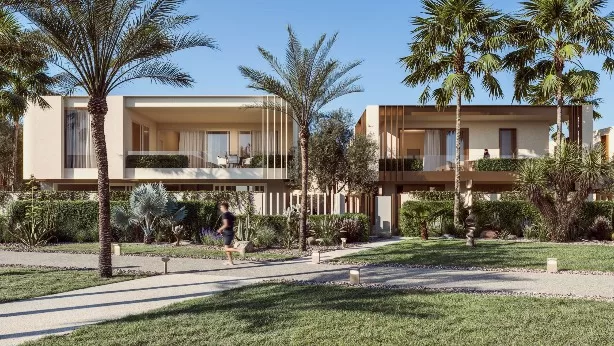
Bringing architecture to life through CGI is more than just creating realistic visuals—it’s about storytelling, emotion, and precision. For Al-Tay Hills, ThinkLab was entrusted with developing the full suite of imagery, from stunning stills to a dynamic animation, capturing the project’s essence and portrait perfectly. In this exclusive insight, we speak with ThinkLab’s CEO Corné Von Bratt, ThinkLab’s Creative Director Józsa Dávid, and Offi ce Manager Andries Van Niekerk to explore their creative journey, the challenges they overcame, and how their work shaped the visual identity of the project.
What does it mean for ThinkLab to handle all aspects of CGI for a project of this scale? How does it impact the company’s tone, visibility, and presence in the region?
Corné Von Bratt: Large-scale projects like Al-Tay Hills are very much our sweet spot—we’ve built our reputation on being able to manage complex, high-end CGI end-to-end. What made this one special wasn’t the scale itself, but the opportunity to fully own the creative narrative from start to finish. When we’re trusted with the full suite—modeling, stills, animation—it allows us to keep the vision aligned, streamline communication, and deliver visuals that are not only technically excellent but emotionally compelling. It reinforces our presence in the region as specialists in high-impact, premium visual storytelling.
What were the key visual elements that defined Al-Tay Hills’ identity and markings, and how did ThinkLab bring them to life? Was the client satisfied with the final results?
Corné Von Bratt: A huge part of the success came from the close collaboration with the architects—Craft of Architecture. They’ve been long-time clients of ThinkLab, and that level of trust really shows. There’s a rhythm to how we work together now, where creative ideas and feedback flow naturally. That trust and open collaboration is where the magic happens, and it allowed us to push the visuals even further.
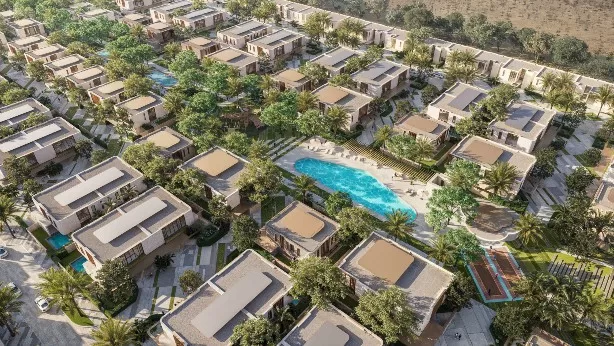
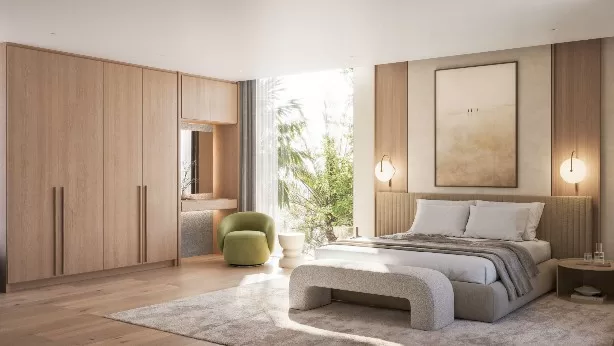
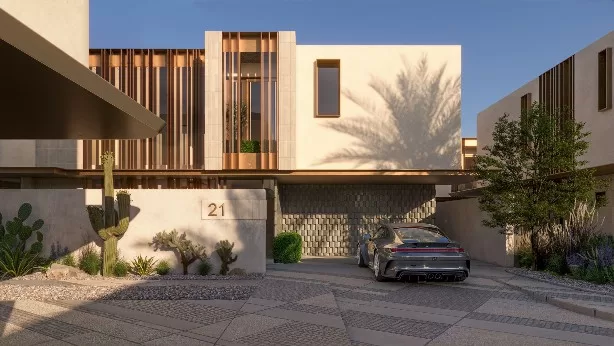
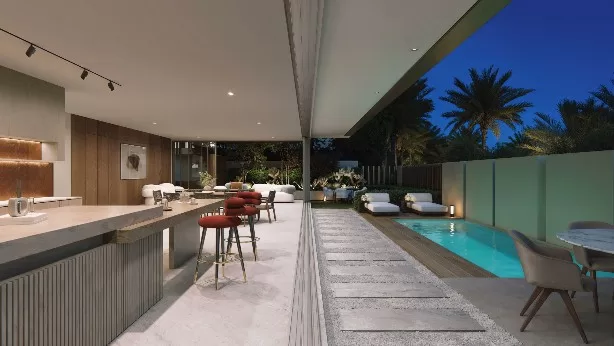
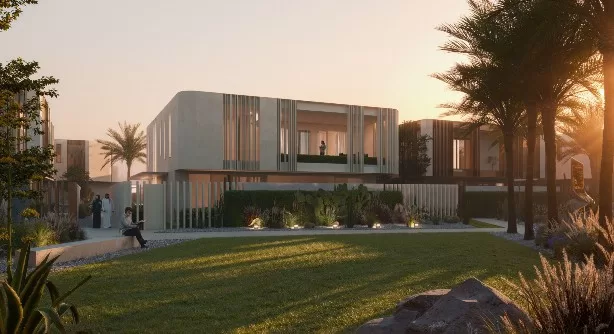
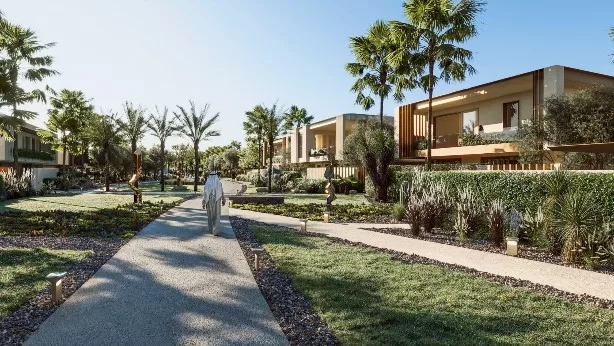
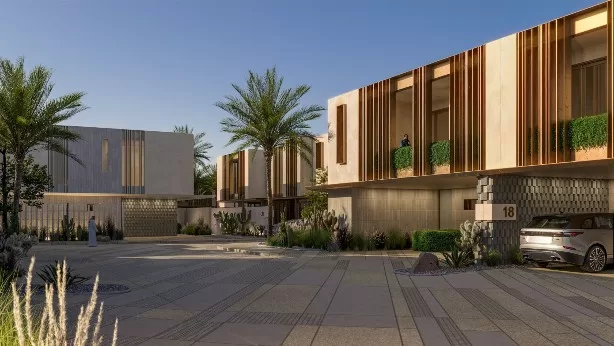
Al-Tay Hills had this beautiful sense of serene luxury—modern architecture framed by soft, natural surroundings. Our job was to translate that feeling visually. We used warm lighting, clean compositions, and textures that gave life to the landscape and materials. Because we were involved across every visual element, we could maintain that tone consistently. The feedback from the client was amazing—they didn’t just see the visuals as content, but as a key part of their storytelling and brand launch.
How do you see ThinkLab’s imagery contributing to the overall success of the Al-Tay Hills development?
Corné Von Bratt: Honestly, visuals were a big part of the project’s momentum. Before the first brick was laid, we were already helping people feel what it would be like to live or invest there. The CGI helped drive emotional connection, which is key for early-stage marketing. It wasn’t just about showing off a design—it was about selling a vision. When people can imagine themselves in the space, you’re halfway there.
Regarding production, what was the overall production timeline, and what were the primary deliverables expected at each stage?
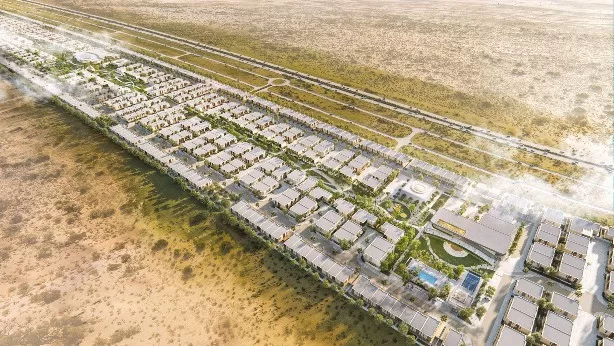
Andries Van Niekerk: The project ran over about 10 to 12 weeks. We kicked off with onboarding and model cleanup, then moved into camera setups and creative direction. First drafts of the stills went out around the mid-point, with final images delivered in waves after feedback rounds. Animation followed its own timeline but ran alongside the stills—starting with storyboarding, then rough cuts, then the full rendered edit with sound. In the end, we delivered over a dozen high-end stills and a polished 90-second animation.
How was the workflow structured across different phases of production, and how did you evaluate individual team contributions?
Andries Van Niekerk: We broke it into three big phases: setup, creative development, and final polish. Everyone had clear ownership—modelers, lighters, post-production, animation. We used Miro to keep track of everything and held daily stand-ups to make sure the team stayed aligned. We don’t just evaluate people on delivery—it’s also about collaboration, ownership, and the ability to stay flexible and bring solutions. Those are the real A-players.
How did you approach the animation differently compared to the still images?
Andries Van Niekerk: Animation is a different beast. With stills, you’re crafting a moment. With animation, you’re designing the flow. It’s about guiding the viewer’s experience—where we start, what we reveal, the emotional pacing. We paid close attention to transitions, camera moves, and timing. Plus, the sound design added another layer of immersion. It’s more narrative than static beauty—you’re telling a story in motion.
What was the biggest surprise or unexpected highlight that came out of the process?
Corné Von Bratt: The client sent us a message right after the launch that really stuck with me: “800 people watching the video 👀👀👀 never seen anything like it.” That said it all. Seeing our animation on a massive screen in front of that kind of crowd—it became the emotional center of the entire event. It wasn’t just a render anymore; it was a shared experience. That kind of impact is rare, and it reminded us just how far good visuals can go.
Andries Van Niekerk: It was one of those moments where the value of what we do really landed. We weren’t physically there, but seeing the scale of the launch, the number of people, and the reaction from the client—it was clear the visuals had become something much bigger than a deliverable. It was a proud moment for the whole team.
What role did art direction play in shaping the final imagery, and what were the biggest creative or technical challenges in the process?
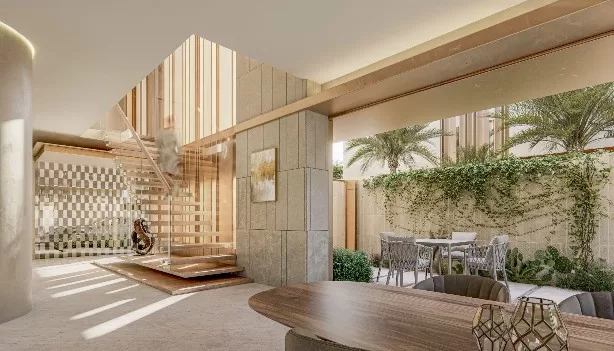
Józsa Dávid: Art direction played a massive role in keeping the tone and mood of the project consistent across all deliverables. From the very start, we set clear visual goals based on the project’s brand values—calm luxury, balance with nature, and timeless architecture. One of the biggest challenges was achieving that subtle elegance across both the stills and animation. It’s easy to go overboard with visual effects or lighting, but restraint was key here. We had to make sure every visual choice supported the emotion of the space without overwhelming it.
What unexpected needs required innovations and “thinking out of the box” used to elevate this project’s final result?
Józsa Dávid: We had to rethink how we handled transitions and storytelling in the animation. The architecture was subtle and refined, so the usual flashy camera work didn’t fit. Instead, we explored more cinematic pacing, layering motion with gentle camera drifts and natural environmental cues. We also experimented with time-of-day shifts within a single shot, which helped tell a fuller story without needing extra scenes. It required a lot of technical coordination, but it really paid off in terms of atmosphere and flow.